Staking Dilution Is Real: What Falling ETH Rewards Mean for Your Validator Strategy
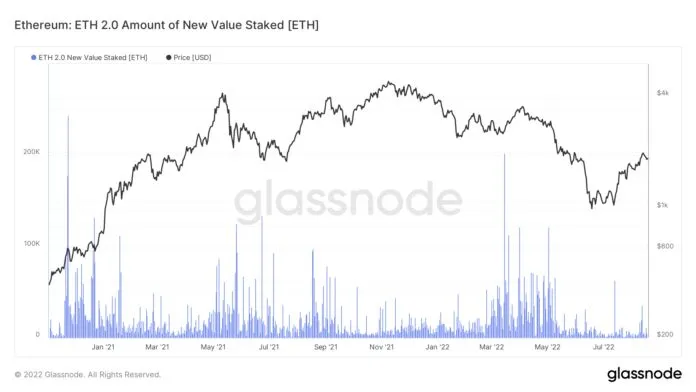
Photo: Ethereum validator staking rewards declining chart crypto, via i.pinimg.com
The Dirty Little Secret Nobody's Talking About
Everyone's excited about Ethereum staking. Liquid staking protocols are marketing juicy APYs, influencers are posting screenshots of their validator dashboards, and retail investors are piling in like it's 2021 all over again. But here's what most of those posts conveniently leave out: the more ETH that gets staked, the less every individual validator earns. That's not speculation — it's baked directly into Ethereum's protocol design.
Right now, if you're running a validator or parking ETH in a liquid staking token, you're sharing the reward pool with an ever-growing crowd. And that crowd is getting bigger every single month.
How Ethereum's Reward Curve Actually Works
Let me make this simple without dumbing it down. Ethereum's issuance model is designed so that validator rewards scale with the square root of total staked ETH. What that means in plain English: as more ETH gets staked, the total issuance goes up — but it goes up much more slowly than the number of participants. So each individual validator's cut gets thinner.
Back when roughly 15 million ETH was staked, annual yields were hovering around 4.5–5%. Fast forward to today, with over 30 million ETH locked up in validators, and consensus-layer rewards have compressed noticeably. If the trend continues toward 40 or 50 million ETH staked — which is entirely plausible given institutional appetite and the continued growth of liquid staking — you're looking at yields that could dip below 3% on the consensus side alone.
That's not a catastrophe, but it's a meaningful shift. And if you're not positioning for it now, you'll feel it later.
The Three Levers That Actually Move Your Real Yield
So if base staking rewards are going to keep compressing, where does the alpha come from? There are really three variables that separate validators who hold their own from those who get quietly squeezed out.
1. MEV Capture
Maximal Extractable Value is still one of the most underappreciated income streams for solo validators. By running MEV-boost with a well-selected relay set, validators can meaningfully supplement their consensus-layer income. The difference between a validator running MEV-boost versus one that isn't can be significant — especially during periods of high on-chain activity like token launches, liquidation cascades, or major protocol events. If you haven't set up MEV-boost yet, that's step one before anything else.
2. Execution Layer Fees
Base fees are burned under EIP-1559, but priority fees (tips) still go directly to validators. When the network is congested — think NFT mints, memecoin mania, or major DeFi events — those tips can spike dramatically. Your validator positioning matters here. Being online consistently and missing as few proposal slots as possible is how you capture these fee spikes when they happen.
3. Hardware and Operational Efficiency
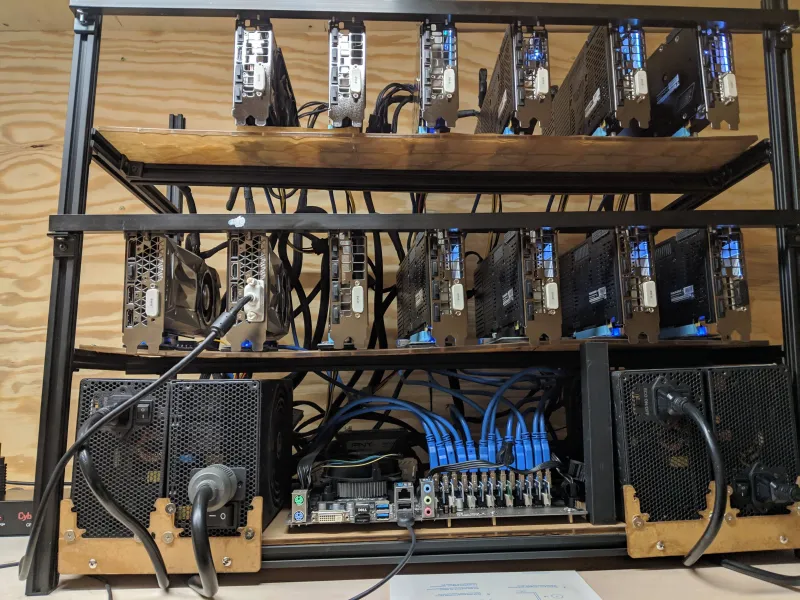
This one's boring, but it matters more as yields compress. Running an efficient validator setup at home — on a machine that isn't burning $80/month in electricity — gives you a cost advantage that liquid staking protocols simply can't match. At scale, that margin is the difference between a profitable validator and one that's basically break-even.
Liquid Staking vs. Solo: The Math Is Shifting
For a long time, liquid staking protocols like Lido or Rocket Pool made sense for smaller holders because the convenience premium was worth it. But as base APYs compress, the 10% fee that many liquid staking protocols charge starts to bite harder. On a 5% gross yield, a 10% fee leaves you with 4.5% — annoying but livable. On a 2.8% gross yield, that same fee structure takes you to 2.52%. That's starting to look a lot like a Treasury bond, without the FDIC insurance.
Solo staking, while more technically demanding, lets you keep 100% of your validator income. As yields compress across the board, that fee-free structure becomes a bigger competitive advantage. If you've been on the fence about running your own validator, the economics are actually becoming more favorable for going solo relative to delegating — not less.
What You Should Be Doing Right Now
Here's the ClippyETH Club take on how to position before the dilution really bites:
- Audit your MEV setup. If you're a solo validator not running MEV-boost, you're leaving money on the table today and you'll feel that gap even more as base rewards fall.
- Track your effective APY, not just the headline number. Factor in your hardware costs, electricity, and any protocol fees. Know your real yield.
- Consider your time horizon. If you're staking for two-plus years, the dilution curve matters a lot. If you're a shorter-term participant, current yields are still competitive relative to most traditional finance alternatives.
- Watch the total staked ETH figure. Sites like rated.network and beaconcha.in give you real-time visibility into validator set growth. Make it a monthly check-in.
- Don't over-rotate into yield chasing. Some folks are moving staked ETH into riskier restaking protocols chasing higher APYs. That introduces new slashing risks and smart contract exposure. Know what you're trading away.
The Bottom Line
Staking dilution isn't a reason to panic — it's a reason to pay attention. Ethereum's validator economics were always designed to evolve as adoption grew. The investors who come out ahead aren't the ones who got in early and coasted; they're the ones who actively manage their setup, capture MEV efficiently, and understand the fee structures eating into their returns.
The staking cliff isn't a cliff you fall off. It's a slope you can navigate — if you're actually looking at the terrain ahead of you.