Don't Trust That Transaction Screenshot: How ETH Proof Fraud Actually Works
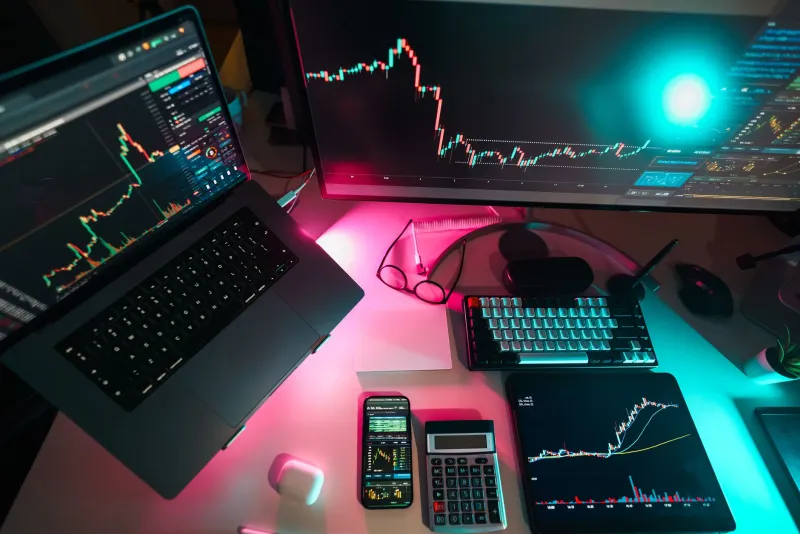
Somebody sends you a screenshot. It's got the green checkmark, a real-looking transaction hash, a block number, a timestamp — the whole package. Looks exactly like what you'd see on Etherscan. So you release the goods, send over your tokens, or greenlight a deal.
Then you find out the transaction never happened.
This isn't a rare edge case. Fake Ethereum transaction proofs have become a genuine tool in the scammer's toolkit, and the forgeries have gotten good enough to fool people who should know better. Let's break down how this actually works, where the fraud shows up in the wild, and — most importantly — what you can do to verify claims before they cost you.
The Gap Between "Looks Legit" and "Is Legit"
Here's the uncomfortable truth about blockchain transparency: the fact that Ethereum is a public ledger doesn't automatically mean you know how to read it. Most people interact with on-chain data through third-party interfaces — Etherscan, block explorers, wallet apps — and those interfaces can be spoofed, screenshotted out of context, or manipulated in ways that aren't immediately obvious.
A transaction hash is just a string of characters. It looks authoritative. But a screenshot of a transaction hash proves absolutely nothing on its own. Anyone with basic HTML editing skills can right-click an Etherscan page, modify the displayed values in their browser's developer tools, and take a screenshot that looks perfectly legitimate. No coding required. No special tools. Five minutes of work.
That's the core vulnerability: screenshots are images, not data. And images lie.
Real Scams, Real Losses
This kind of fraud shows up most often in peer-to-peer trading situations — OTC deals, NFT sales in Discord servers, crypto payment arrangements between individuals. The pattern is almost always the same.
A buyer claims to have sent payment and shares a screenshot as proof. The seller, eager to close the deal, releases the asset before independently verifying the transaction. By the time they check the actual blockchain, the buyer has disappeared.
In 2022 and 2023, several high-profile NFT communities reported waves of this exact scam targeting members selling digital assets through private Discord channels. Sellers were shown polished Etherscan screenshots complete with realistic gas fees, accurate block numbers pulled from around the time of the conversation, and fabricated wallet addresses that looked similar to legitimate ones at a glance.
The scam also appears in more elaborate forms. Some fraudsters run fake local versions of Etherscan-style explorers that display whatever transaction data they want. They share a link — not a screenshot, an actual URL — that routes through a spoofed domain. The page looks identical to the real thing. The URL might differ by a single character: etherscan.io versus ethersc4n.io, for example. If you're not reading carefully, you miss it entirely.
What "Verified" Actually Means on Ethereum
Ethereum transactions are cryptographically signed and immutably recorded on thousands of nodes simultaneously. In that sense, actual on-chain data is extremely difficult to forge. The problem isn't the blockchain itself — it's the layer between the blockchain and your eyes.
When a transaction is genuinely confirmed, it exists in the global state of the network. Every node has a copy. Multiple independent block explorers will all show the same data. That redundancy is your friend, but only if you actually use it.
A "verified" badge on a screenshot means nothing. A transaction hash you can copy and paste into an independent explorer means everything.
How to Actually Authenticate a Transaction Claim
This doesn't need to be complicated. Here's a practical checklist you can run through in under two minutes any time someone presents you with transaction proof.
1. Demand the raw transaction hash, not a screenshot.
Ask for the hash as plain text — a 66-character string starting with 0x. If someone is reluctant to provide this and keeps pushing the screenshot, that's a red flag.
2. Verify it yourself on multiple explorers.
Paste the hash into Etherscan directly (make sure you're on etherscan.io — double-check the URL). Then cross-reference with at least one other independent source: Blockchair, Ethplorer, or the Beaconcha.in explorer all work. If the transaction is real, every explorer will show consistent data.
3. Check that the wallet addresses actually match. Don't just glance at the first and last few characters. Scammers deliberately use addresses that resemble yours at both ends but differ in the middle — a technique called address poisoning. Read the full string or use a checksum comparison tool.
4. Confirm the block timestamp makes sense. A transaction that claims to have been sent "just now" but shows a block timestamp from three hours ago is suspicious. Real-time transactions should have block times within the last few minutes.
5. Verify the transaction status is actually "Success," not "Pending" or "Failed." A pending transaction is not a completed payment. Some scammers submit legitimate-looking transactions with extremely low gas fees that will never confirm, then share the hash before it fails, banking on the fact that you won't wait around to watch it resolve.
6. When in doubt, check the receiving wallet's balance directly. If someone claims to have sent you 2 ETH, go look at your own wallet address on-chain. Did the balance change? If not, the payment didn't happen — end of story.
The Spoofed Explorer Problem
The fake URL scam deserves extra attention because it's the one that catches technically sophisticated users off guard. Always type block explorer URLs directly into your browser rather than clicking links shared in chat. Bookmark etherscan.io and use that bookmark every time.
If someone shares a link as proof of a transaction, copy the transaction hash from whatever they sent and manually paste it into your bookmarked explorer. Never navigate to the URL they provide.
This single habit eliminates an entire category of fraud.
Building Your Own Verification Reflex
The broader lesson here is about developing healthy skepticism without becoming paralyzed. Ethereum's transparency is a genuine feature — the data is all there, freely accessible, and cryptographically sound. The vulnerability is in the human layer: our tendency to trust visual representations of data without verifying the underlying source.
Anyone can fake a screenshot. Nobody can fake a confirmed transaction that shows up consistently across every node on the network.
Next time someone sends you "proof" of a blockchain transaction, treat it the way you'd treat a stranger handing you a photocopy of a check. Looks real, might be fine — but you're not releasing anything until you've confirmed the funds are actually there.
The blockchain doesn't lie. Screenshots do.