Account Abstraction Is Heating Up — Here's Which Ethereum Apps Are Actually Positioned to Win
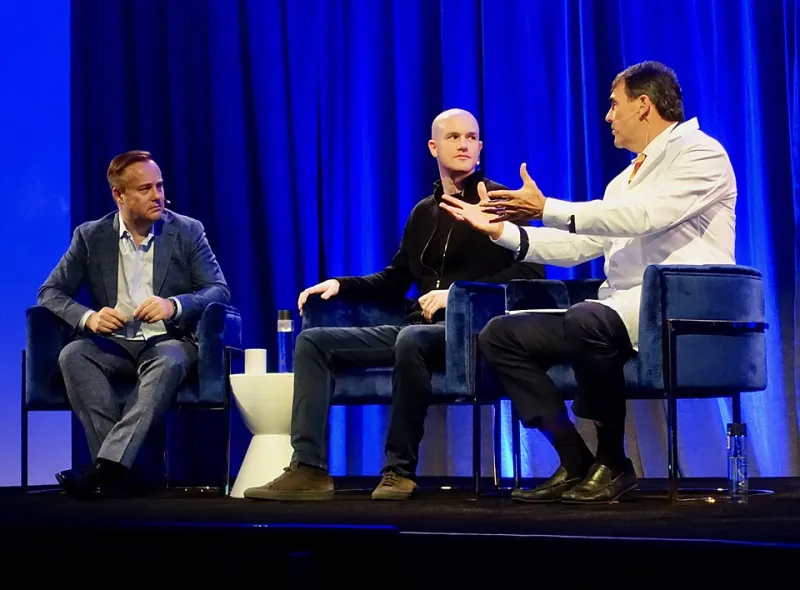
Photo: Steve Jurvetson from Los Altos, USA, CC BY 2.0, via Wikimedia Commons
If you've been in the Ethereum ecosystem for more than a minute, you've heard the pitch for account abstraction: no more seed phrases, gasless transactions, programmable wallets, social recovery — basically, all the UX improvements that would make crypto actually usable for normal people.
That pitch has been floating around for years. But ERC-4337 changed the game by making account abstraction deployable without a hard fork. It's live. It's on mainnet. And the race to capture users through superior wallet UX is already underway — most people just aren't watching it closely enough yet.
This is the kind of early-stage infrastructure buildout that tends to produce outsized winners. Let's talk about who's positioned to capture those network effects.
A Quick Refresher on What ERC-4337 Actually Does
Traditional Ethereum accounts (externally owned accounts, or EOAs) are dumb. They hold a private key, they sign transactions, that's it. Lose the key, lose everything. Want to set spending limits or automate a recurring DeFi action? Not happening natively.
ERC-4337 introduces "smart accounts" — contract-based wallets that can have programmable logic baked in. Think: transaction batching, gas sponsorship (someone else pays your gas), multi-sig recovery, session keys that let dApps operate within defined limits without bugging you for a signature every five seconds.
Crucially, ERC-4337 does this through a new infrastructure layer — UserOperations, Bundlers, Paymasters — that sits alongside the existing Ethereum transaction flow rather than replacing it. No fork required. That's why it shipped.
The question now isn't whether account abstraction is coming. It's already here. The question is which protocols build the best products on top of it fast enough to lock in users.
The Wallet Layer: Where the First Movers Are Staking Their Claim
Wallets are the front door to Ethereum. Whoever controls the wallet controls the user relationship — and that's exactly why the AA wallet space is getting crowded fast.
Safe (formerly Gnosis Safe) is the OG smart contract wallet and has a massive head start in institutional and DAO use cases. Their modular architecture means developers can plug in ERC-4337 compatibility as a module, and their existing trust and TVL give them credibility that newer entrants have to earn. Safe's ecosystem of third-party modules is quietly one of the most underappreciated distribution networks in Ethereum.
Biconomy has been aggressive about building the developer tooling layer — their Smart Account SDK and Paymaster infrastructure are already being used by a meaningful number of dApps to sponsor gas for users. If you've used a dApp recently where you didn't pay gas, there's a decent chance Biconomy's infrastructure was involved. That kind of behind-the-scenes integration is exactly how you build durable network effects.
Alchemy's Account Kit and ZeroDev are both competing hard for developer mindshare with polished SDKs and solid documentation. The developer-facing tooling race matters a lot here — whichever infrastructure provider becomes the default for new dApp builders will inherit a massive amount of downstream user exposure.
Coinbase's Smart Wallet deserves a mention because of distribution. Coinbase has tens of millions of US users and is actively pushing smart wallet adoption. They may not be the most technically innovative player in the space, but distribution is its own moat, and they have it in spades.
The dApp Layer: Who Benefits Most When Wallets Get Smarter?
Here's where it gets interesting from a trading alpha perspective. ERC-4337 doesn't just benefit wallet providers — it unlocks new product surfaces for dApps across DeFi, gaming, and consumer crypto.
DeFi protocols with recurring or automated strategies are massive beneficiaries. Think about yield aggregators, automated rebalancers, or dollar-cost averaging tools. Today, these require constant user approvals or risky unlimited approval grants. With session keys and programmable permissions via AA, a user can authorize a protocol to execute within defined parameters autonomously — no signature pop-ups, no friction. Platforms like Yearn and emerging auto-compounders are well-positioned to leverage this.
Onchain gaming is perhaps the most obvious winner. Games that require frequent microtransactions are currently unplayable for most users because of the wallet UX. Session keys that allow a game to execute moves without a MetaMask pop-up every three seconds are genuinely transformative. Projects like Immutable (already ERC-4337 friendly) and newer onchain game studios building on Base and Starknet are betting heavily on this.
Consumer crypto apps targeting mainstream US users — social platforms, creator monetization tools, tipping apps — have always been blocked by the seed phrase problem. AA wallets with social recovery and gasless onboarding are the unlock. Watch for projects building on Base and Optimism targeting non-crypto-native audiences; they'll be early AA adopters by necessity.
The Token Angle: Where Are the Investable Opportunities?
Let's be direct: this is Trading Alpha, so let's talk positioning.
The most direct token plays on ERC-4337 adoption are infrastructure providers with live tokens. Biconomy's BICO is the most obvious — the token has utility within their Paymaster and relayer network, and adoption of their SDK is a direct demand driver. It's been beaten up in the bear market and remains well below its all-time high, which means there's room if the AA narrative accelerates.
Beyond direct plays, think about second-order beneficiaries. Layer 2s that are aggressively supporting AA tooling — Base, Optimism, Arbitrum, Polygon — stand to benefit from the user growth that better UX drives. ETH itself benefits as the underlying asset for gas and collateral across the ecosystem.
The honest caveat: AA adoption is moving, but it's not moving at hyperspeed. This is a 12-to-24 month narrative, not a next-week trade. The protocols that win will be the ones that compound developer adoption and user growth steadily — not the ones that spike on hype and fade.
What to Watch as Leading Indicators
If you want to track AA adoption without just vibes-checking Twitter, here are the actual metrics worth following:
- UserOperation volume on-chain — ERC-4337 transactions are trackable via Bundler activity on Dune Analytics. Rising volume means real adoption, not just announcements.
- New smart account deployments — Each new smart wallet created is a potential sticky user. Cumulative smart account counts are a useful growth metric.
- Developer SDK downloads and integrations — Biconomy, ZeroDev, and Alchemy publish some of this data. SDK adoption leads user adoption by 6-12 months typically.
- Major dApp integrations — When a top-10 DeFi protocol announces AA support, that's a signal worth paying attention to.
The account abstraction wars are real, and they're happening right now at a level most ETH investors aren't tracking. Getting familiar with the key players — and understanding which protocols have genuine technical and distribution advantages — is exactly the kind of edge that tends to pay off when a narrative moves from "interesting" to "everyone's talking about it."
ClippyETH Club will keep watching this one closely. The wallet layer of Ethereum is being rebuilt in real time, and the winners of that rebuild will be some of the most important protocols in the ecosystem.